Tamara Rojo on Mere Mortals: 'We are the conglomeration of all the other arts'
Lucy Ribchester chats to artistic director Tamara Rojo about Greek myths, tech ethics and rising threats to the creative industries
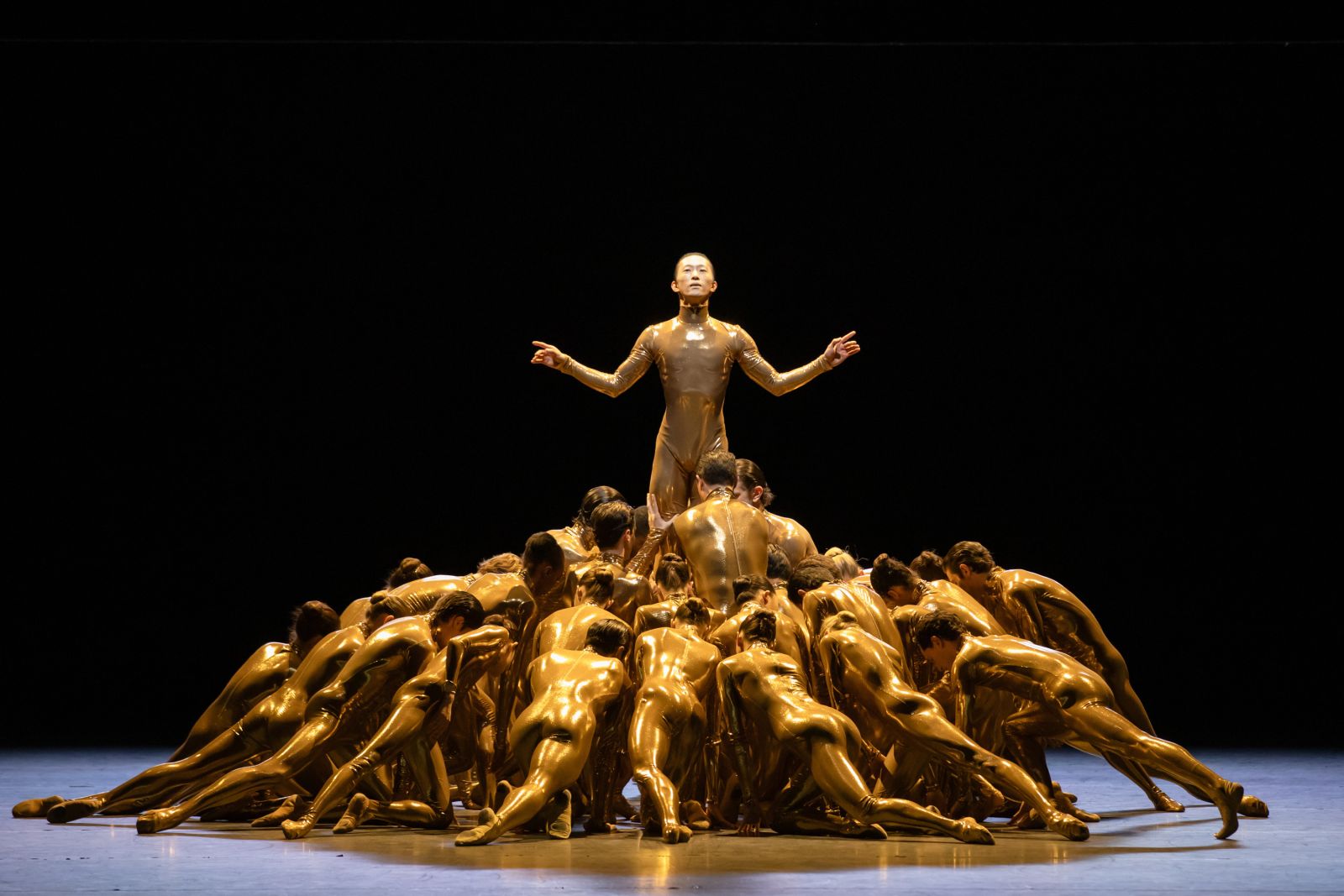
‘I don’t think in Europe you can quite perceive what is happening here,’ says Tamara Rojo. The former Royal Ballet principal is speaking through the medium of tech (Zoom) from the capital of tech (San Francisco), where she has been helming San Francisco Ballet as artistic director since 2022. With the company based just north of Silicon Valley, it’s perhaps no surprise that the themes of big tech have been on her mind and fed into her creative output.
‘There is a real feeling of gold rush,’ Rojo says. ‘An incredible amount of talent is coming to the city to develop AI and we see it every day.’ San Francisco Ballet have their base in the city’s AI district of Hayes Valley (nicknamed Cerebral Valley), making the technology’s presence even more tangible. ‘You see these young, very smart, very prepared people that spend every day and every night going after this technology,’ she says.
Mere Mortals is Rojo’s first commission for the company and the European premiere marks their return to the International Festival after more than two decades. High concept, with a large cast and a classical narrative, it reworks the story of Pandora and her infamous box (which contained all the world’s evils) for the AI age. Rojo wanted to create a piece that was relevant to society’s immediate concerns, but she was keen to find a way to approach the themes that wasn’t too on the nose.
‘There are a lot of unanswered questions and a lot of fear, very often justified. But I wanted to look at a story that addresses all these philosophical questions that is not in the present; when you are in the present, you are too embedded in the discussion. You need a little bit of distance.’
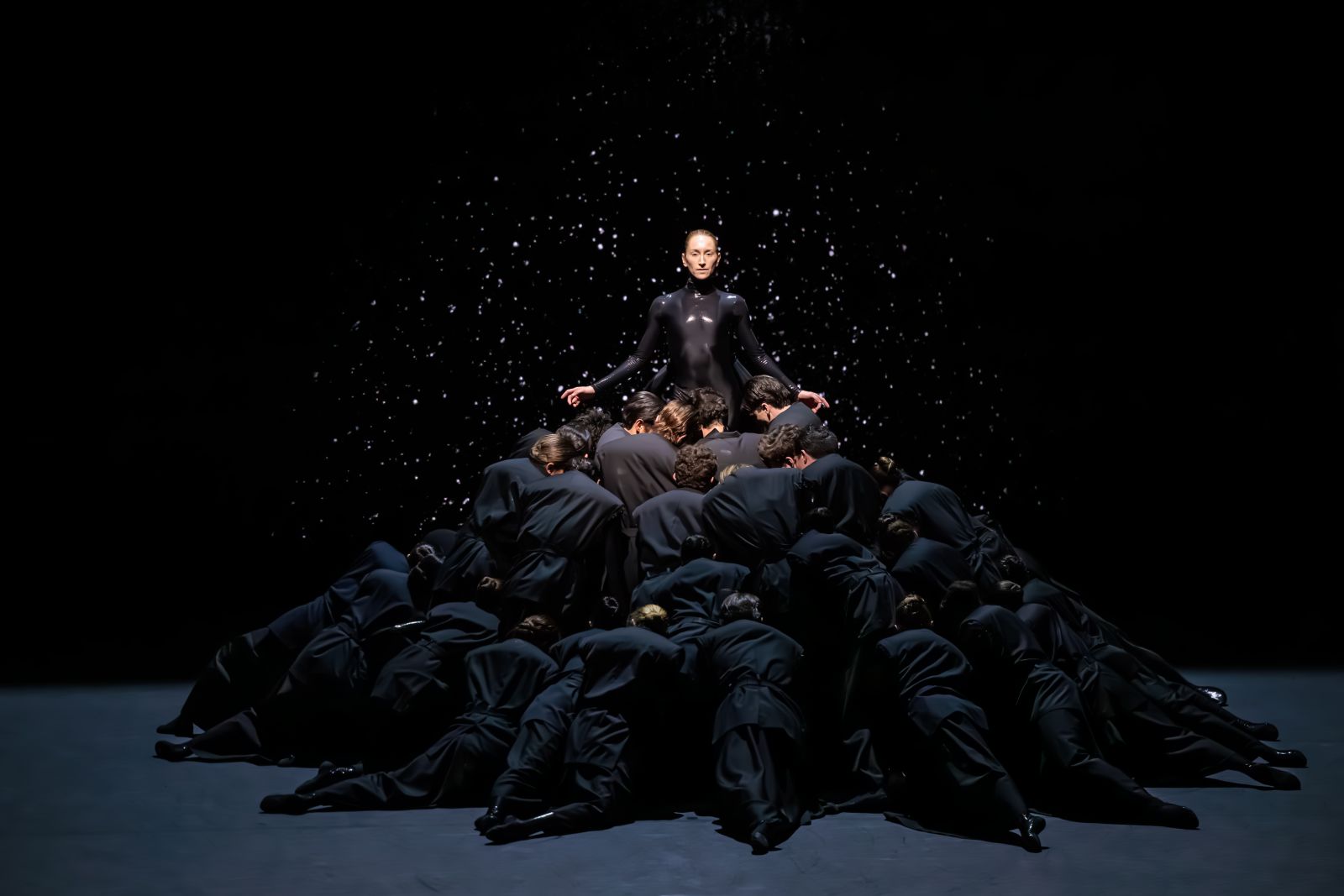
She was listening to a podcast by the British author Natalie Haynes, who reworks Greek myths from feminist perspectives, when the dots began to connect between the Pandora tale and AI. ‘I was listening and was like, my god, the Prometheus tale and the Pandora tale, they are actually about human ambition, about what is the price to pay for an individual’s ambition versus the consequences for the whole of humanity.’
Rojo brought composer Sam Shepherd (better known as Floating Points) onboard and approached the choreographer Aszure Barton, whom she describes as a ‘master’ at creating characters through dance. ‘I’ve known Aszure for many years,’ Rojo says. ‘I first saw her work in Canada and I was blown away by her choreographic skill and the ambiguity of her narrative, which I think for this theme was very necessary, because we were not trying to say this is good, this is bad. It’s far more complicated than that.’
For Rojo, there are no clear-cut villains or heroes in the AI story; not yet anyway. ‘Human curiosity, and even human ambition, is one of our best traits, but it can blow up in our faces. It can also be something that really harms others.’ She believes those working in tech don’t want to harm the creative industries (‘they consume art, they love music, they love theatre’). Indeed, she has been invited to speak about the arts by various tech companies who want to better understand the creative process.
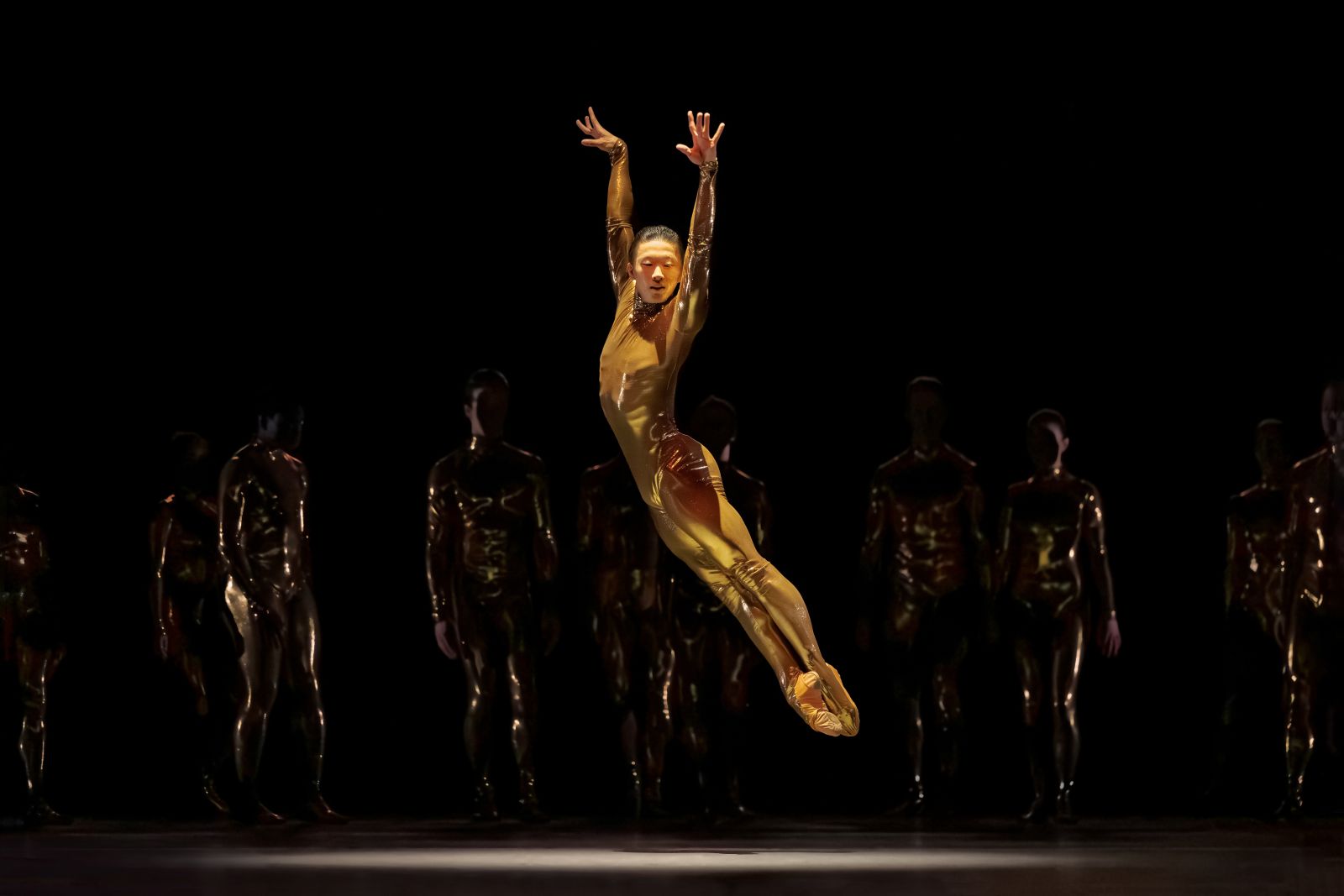
Yet alarm bells have been sounding across creative industries regarding the encroachment of AI. Books have been used without their authors’ permission to train chatbots and actors have been replaced by automated voices. Dance is inherently a live art form though, so does Rojo believe it is somewhat protected from AI? ‘The thing about dance is that we are the conglomeration of all the other arts. We are narrative. We are design. We are visuals. We are music and we are choreography, and potentially all those things can be done with AI.’ You can’t replace a dancer’s body with AI though, surely? ‘Have you seen the Abba musical in London?’ Rojo asks, referring to Abba Voyage, where the four band members are replaced by digital avatars. ‘For at least three years, people have been buying tickets to see something they know is not the real Abba, right?’
With this in mind, it may be surprising to learn that Mere Mortals hasn’t eschewed AI but has employed it in various ways throughout the production, from the marketing campaign to elements of the music. For Rojo, the key is to harness AI’s power ethically. ‘It is our own live musicians playing in the pit which you then hear repeated in an electronic machine. And so, we’re saying this can be a tool if you’re willing to be ethical about how you use it. Make sure that everybody is consenting for it to be used and they are being paid for their IP. I do think there is always hope, which is also what the ballet wants to say. The ballet starts and finishes with hope.’
Mere Mortals, Edinburgh Playhouse, 28–30 August, 8pm; 29 August, 3pm.
Profile: Floating Points
Floating Points aka Sam Shepherd is set for his Edinburgh International Festival debut. Afreka Thomson tracks the story of how he went from youthful chorister to being on stage alongside San Francisco Ballet
There was a time when hearing Floating Points in Edinburgh meant squeezing onto the dance floor at Sneaky Pete’s, armed with a fiver and a rollie, ready to dance til morning. Now, the act also known as Sam Shepherd is bringing his glitchy electronic music (and hopefully some of those same fans) to the ballet. Swapping cigarettes for pirouettes and sticky dance floors for the orchestra pit, it’s quite the leap (or jeté), but Shepherd has always been good at blurring the line between nightclub and concert hall.
His musical education began in rather traditional surroundings; he was a chorister at Manchester Cathedral before studying piano and composition at Chetham’s where he also discovered electronic music. The Mancunian producer, composer and DJ approaches his work with a scientific curiosity (a PhD in neuroscience and epigenetics may have something to do with it) and has even built his own sound system known as Sunflower. This is a man obsessed with sound, spending the past decade moving between electronic music, jazz and orchestral composition, never particularly interested in staying in one place for too long.
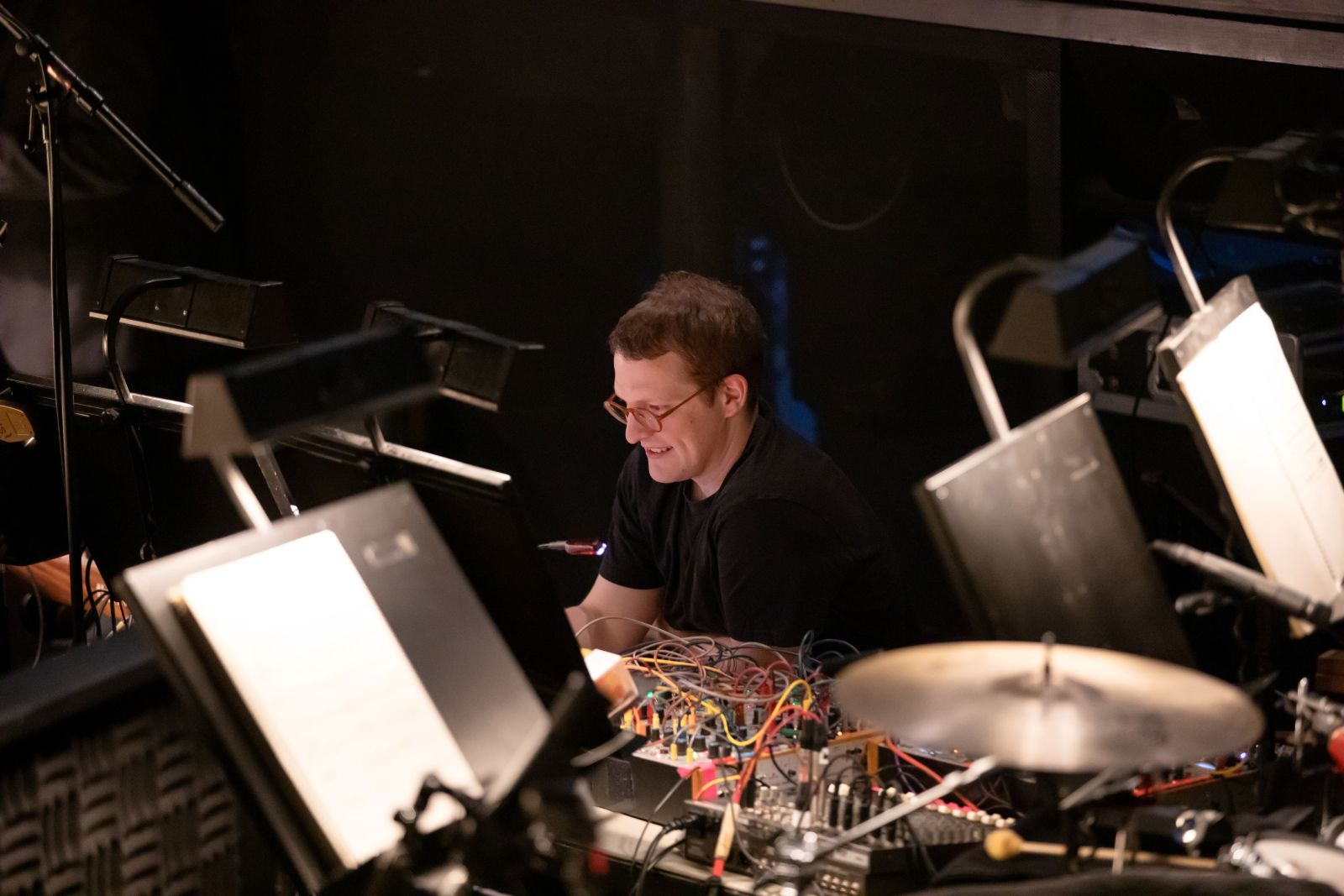
Mere Mortals is Shepherd’s first full-length ballet score which he’ll be performing live alongside the Royal Scottish National Orchestra, as an old story about curiosity is updated into the new age of artificial intelligence. Shepherd’s score brings synths and electronics into conversation with a full orchestra, but the move into ballet feels less strange than it sounds. His tracks can be intricate and abstract, yet they rarely lose their pulse. As the curtain rises at the Festival Theatre, those Sneaky Pete’s regulars can take a well-earned break, trading pre-drinks for pre-theatre dinners and leaving the dancing to the professionals.