WanderList: Valletta
Evie Glen takes a spring break to immerse herself in the cultural and religious pleasures of the Maltese capital
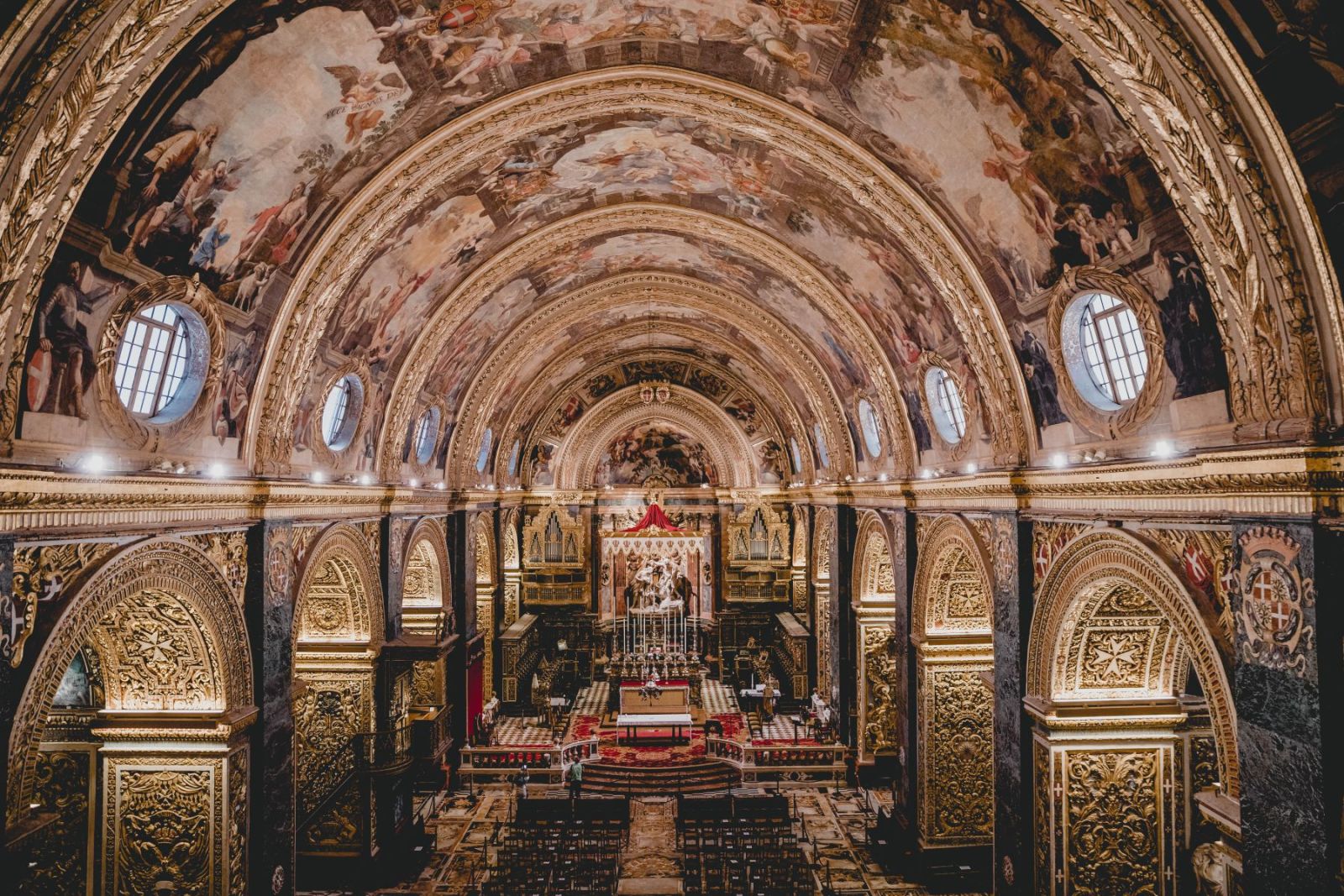
The medieval walls of Malta’s capital, Valletta, come into view after 15 minutes on a coach from the airport. Being a Mediterranean island between Sicily and Tunisia, springtime there is mild and honeysuckle-scented. Walking through the limestone city gate, the ground has the distinct slipperiness of European city slabs polished by droves of feet wandering between countless boutiques, churches and restaurants that sneak Maltese ingredients into tourist tastes.
We book a flat ten minutes from the sea. The island winds which tunnel through Valletta’s gridded streets froth the water against the ancient bastions dotted along its coastal borders; remnants from the country’s 250 years of Knights’ rule. Given its strategic position in the Mediterranean, Malta boasts a fascinating melting pot of cultures. It was governed at various points by the Greeks, Arabs, Normans, Aragonese, Knights Of St John, French and British, before eventually becoming a republic in 1974. The result of this is a smorgasbord of histories and architecture.
We visit during Easter Holy Week. On Good Friday, Malta’s predominantly Roman Catholic population flock to the capital for a sombre procession. Brass bands play a funeral march, while church members dressed in embroidered vestments and Roman armour walk solemnly through Valletta’s narrow streets, some hunched under the weight of elaborate biblical-themed floats. The crowd’s silence is moving if secularly distant, as we witness the spectacle from behind barriers. It marks a rare occasion when throngs of tourists part to make way for the city’s lived traditions, rather than the city for its visitors.
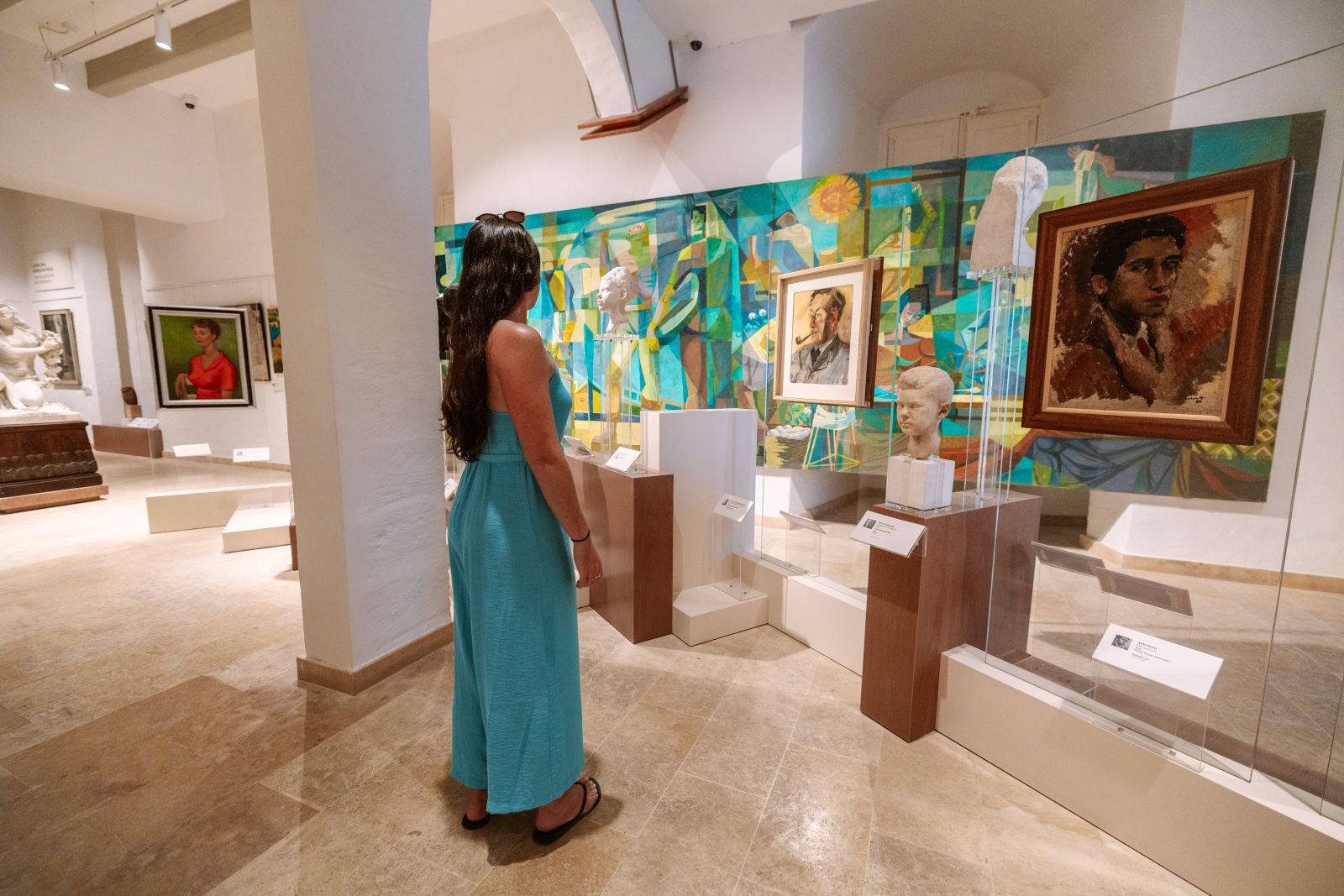
For the rest of the time, we glean Valletta’s living culture by wandering away from the main drag. In a square bordered by an ancient saluting battery, a panoramic view of the Grand Harbour and Parliament House, we come across a 16th-century fort turned arthouse cinema and creative hub. Spazju Kreattiv presents a rotating programme of Maltese and world cinema alongside exhibitions which platform the country’s unique contemporary art scene. For an island so richly historical, its modern culture can be harder to discern, despite its vibrancy.
Barely a five-minute walk away is Malta’s National Museum Of Art, which this year will host the second Malta Biennale. In its 2024 outing, the biennale brought together over 100 artists from 35 countries to showcase their work across Malta’s museums, armouries, palaces and cathedrals, merging contemporary art with the country’s myriad legacies. This is just one example of the ways in which Malta is contending with its diverse history, reimagining a unique cultural scene while reaching out to an international audience. As the ancient capital, Valletta is the centre of that new vision, akin to Edinburgh in its fascinating blend of history and modernity concentrated in a single kilometre stretch.
Visit the official Malta site.